
Organic gardening is a multifaceted practice. It encompasses art, science, and, above all, a deep passion for nurturing plant life. Dedicated gardeners’ choice of fertilizers goes beyond practicality. It reflects the values and principles that define our approach to gardening. Organic fertilizers offer a compelling solution. They offer a gentle yet powerful way to nourish plants. They also support environmental stewardship. Their unique qualities present an opportunity to enhance the vitality of our gardens in harmony with nature. Understanding the benefits of organic fertilizers is a worthwhile journey. Effectively integrating them into our gardening practices is another valuable step. It will result in healthier plants. It will also improve soil structure and reduce environmental impact.
Importance of Using Organic Fertilizers for a Healthy Garden
What are Organic Fertilizers?
Organic fertilizers are derived from natural sources such as animal matter, plant matter, or minerals. These fertilizers provide essential nutrients to plants in a slow-release, sustainable manner. This promotes healthier soil and stronger plant growth. By choosing organic fertilizers, gardeners can reduce their environmental impact. They can also create a more balanced ecosystem in their gardens.
They are environmentally friendly and do not contain harmful chemicals or synthetic substances. Additionally, organic fertilizers help improve soil structure and increase microbial activity. This further enhances plant growth and overall garden health. Organic fertilizers avoid synthetic chemicals. They also protect beneficial insects and wildlife that maintain a thriving garden ecosystem. The use of organic fertilizers benefits the garden. It also contributes to a healthier environment for all living organisms.
These natural fertilizers provide essential nutrients to plants. They don’t risk polluting water sources with chemical runoff. Compost enriches the soil with organic matter. This improves its ability to keep moisture and nutrients. Bone meal is rich in phosphorus, which aids in root development and flowering. Fish emulsion and seaweed fertilizer provide a balanced mix of nitrogen, potassium, and micronutrients. This mix promotes healthy growth. The use of organic fertilizers benefits the garden. It also contributes to a healthier environment for all living organisms.
Benefits of Using Organic Fertilizers
- Improve Soil Health: Organic fertilizers help enrich the soil with essential nutrients. They also promote the growth of beneficial soil microbes. This improves soil health. These microbes play a crucial role in breaking down organic matter and making nutrients available to plants. Organic fertilizers can also improve the soil’s structure and water retention. This leads to healthier and more resilient plants.
- Long-Term Benefits:They release nutrients slowly over time, ensuring a steady supply of nutrition to plants. The gradual release of nutrients guarantees a constant and optimal level of nutrition for plants. It also prevents the leaching of nutrients and diminishes the environmental impact. Using organic fertilizers has long-term benefits. It can improve soil fertility and sustainability, resulting in higher yield and better crop quality.
- Environmentally Friendly: Organic fertilizers are environmentally friendly. They do not leach harmful chemicals into the soil or waterways, so they are safe for the environment. In contrast, synthetic fertilizers often contain high concentrations of chemicals. These chemicals can have detrimental effects on ecosystems. Farmers can help preserve and protect the environment for future generations by choosing organic fertilizers.
- Healthier Plants: Organic fertilizers provide a balanced nutrient supply. Healthier plants resist diseases and pests naturally. This leads to healthier plants that need fewer chemical pesticides and herbicides. It promotes a more sustainable and natural farming approach. Using organic fertilizers can improve the taste and nutritional value of food crops. This can make them more appealing to health-conscious consumers.
- Sustainable: Using organic fertilizers promotes sustainable gardening practices. This is because it reduces the reliance on synthetic chemicals. Reducing the use of synthetic chemicals helps protect the environment and soil, which is good for the ecosystem in the long run. In addition, organic fertilizers support healthy soil microbial activity. They enhance soil structure and promote long-term fertility.
This approach to gardening not only benefits the immediate plants but also contributes positively to the ecosystem as a whole. Organic fertilizers are a key component in maintaining a healthy garden environment.
Types of Organic Fertilizers
Animal-Based Organic Fertilizers
- Bone meal is made from ground animal bones and is rich in phosphorus and calcium, which are important for root growth and plant health. Another animal-based organic fertilizer is fish emulsion, which is derived from fish waste. It is high in nitrogen and provides a quick nutrient boost to plants. Fish emulsion is particularly beneficial for leafy green vegetables and fast-growing plants.
- Fish emulsion is an organic fertilizer made from fish remains. It has high nitrogen content and quickly boosts plant nutrients. Fish emulsion is popular among gardeners. It provides fast benefits to plants. It is an excellent choice for a quick nutrient boost. It also helps plants grow well by providing nitrogen, which is important for leafy growth and overall plant health in the garden.
- Manure is a nutrient-rich organic fertilizer. It improves soil fertility and structure. Animal manure, such as cow or chicken manure, is a source of manure. Manure contains a variety of essential nutrients for plant growth. This includes nitrogen, phosphorus, and potassium. When used as a fertilizer, it helps replenish the soil with valuable nutrients that support healthy plant development.
- Blood meal is a fertilizer made from dried animal blood. It has a lot of nitrogen and helps plants grow a lot of leaves. Blood meal is rich in nitrogen and also contains iron, which is important for plant health and chlorophyll production. This fertilizer is very good for crops that need extra nitrogen, like leafy greens or young plants.
Plant-Based Organic Fertilizers
- Compost is a mix of decomposed organic matter, such as kitchen scraps and yard waste. It gives plants a balanced supply of nutrients. Composting is great for soil. It improves water retention and promotes beneficial microbes. It’s a versatile choice for organic gardening. Using compost as a fertilizer helps reduce waste. It also promotes the recycling of valuable nutrients back into the ecosystem.
- Seaweed is rich in micronutrients and growth hormones. This makes seaweed fertilizer beneficial for overall plant growth and resilience. Some studies have shown that seaweed fertilizer can improve seed germination. It can also boost root development and overall plant health. Its high potassium levels can also help the plant withstand environmental stressors, such as drought or disease.
- Green manure involves planting cover crops such as clover or alfalfa. These are later mixed into the soil to enhance its structure and fertility. Using green manure crops in the soil adds organic matter, controls weeds, and prevents erosion. This natural soil improvement method enhances water infiltration. It reduces nutrient runoff and provides habitat for beneficial microorganisms in the soil.
- Wood ash is rich in potassium and can be used to increase the pH levels of soil. This makes it great for plants that thrive in alkaline environments. There are many organic fertilizers for gardeners to choose from based on their plants’ needs and soil requirements. Each type of organic fertilizer offers unique benefits and can contribute to the overall health of the garden ecosystem.
Mineral-based Fertilizers
- Green sand is a mineral-based fertilizer sourced from deposits of glauconite. Glauconite is rich in potassium, iron, and magnesium. It is known for its ability to improve soil structure, increase nutrient retention, and enhance root development in plants. Green sand also helps to balance soil pH levels and promote the growth of beneficial microorganisms. Gardeners looking to improve their garden’s health may consider adding green sand to their soil. It’s an amendment that can help.
- Rock phosphate is a valuable mineral-based fertilizer for gardeners. It has high phosphorus content. This assists in root development and boosts plant growth and yield. Rock phosphate is a natural source of phosphorus. Phosphorus is essential for healthy root development and overall plant growth. When added to the soil, rock phosphate slowly releases phosphorus. This benefits plants for a long time. Rock phosphate promotes root development. It also helps plants resist disease and stress. This makes it a versatile and effective fertilizer for a variety of garden crops. Gardeners can improve plant health and productivity by adding rock phosphate to their fertilizer. This practice also boosts the overall health of the garden ecosystem.
- Epsom salt is another essential nutrient for plant growth. It is also known as magnesium sulfate. Magnesium is necessary for photosynthesis and the production of chlorophyll. Sulfur is important for the formation of amino acids and proteins. Gardeners can add Epsom salt to the soil. This ensures that their plants have access to vital nutrients. As a result, the plants will grow healthier and more robustly. Additionally, Epsom salt can help improve the uptake of other nutrients. This makes it a valuable supplement for overall plant health and vitality. In a fertilizer routine, using both rock phosphate and Epsom salt can promote plant growth and resilience. This well-rounded approach is beneficial.
How to Make Organic Fertilizer at Home
DIY Organic Compost Fertilizer
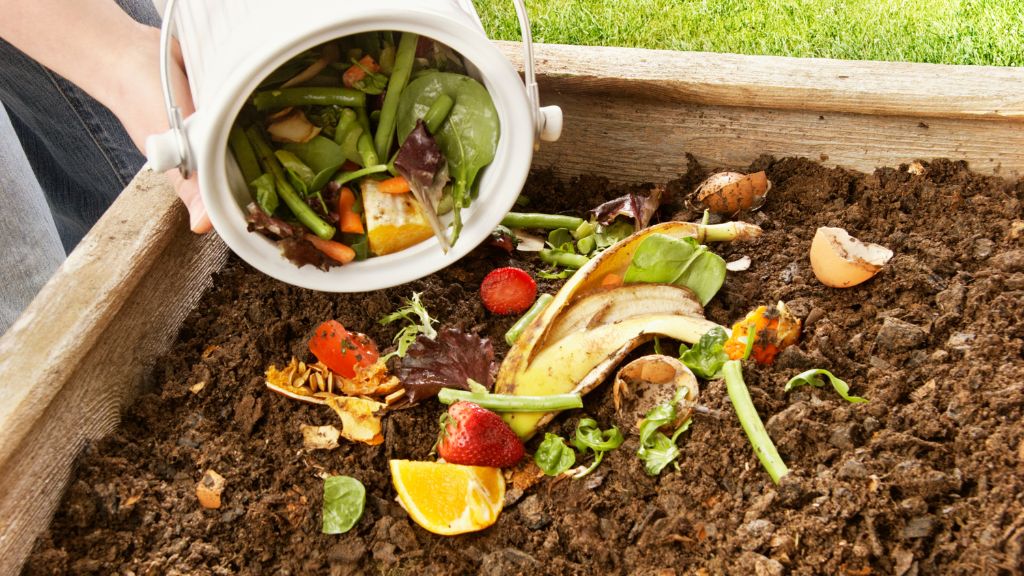
To make organic compost fertilizer at home, collect kitchen scraps like fruit peels, vegetable scraps, eggshells, and coffee grounds. Combine organic materials in a compost bin or pile. Alternate between nitrogen-rich green materials, such as grass clippings. Alternate with carbon-rich brown materials, such as dried leaves. Regularly turn and water the compost pile to facilitate decomposition. Over time, the materials will break down into nutrient-rich compost. You can use the compost to enrich garden soil. Mixing soil and compost starter can speed up the composting process. It creates great compost for your garden. Making your own organic compost at home can help reduce waste. It can also enhance soil health and improve plant growth in your garden.
DIY Organic Liquid Fertilizer
To create organic liquid fertilizer, you can make a nutrient-rich compost tea. Simply place compost in a large container with water and let it steep for a few days, stirring occasionally. You can strain the mixture to make a liquid fertilizer for plants, either using it as a soil drench or a foliar spray. You can also soak nutrient-rich ingredients like seaweed, molasses, or fish emulsion in water. This makes your own liquid fertilizer. This DIY liquid fertilizer provides plants with a quick nutrient boost and can enhance overall growth and health.
Conclusion
Choosing organic fertilizers commits to a sustainable future. Gardens thrive without harming the environment. Whether you’re experienced or a beginner, using organic methods helps create a more eco-friendly planet. This happens one garden at a time. By choosing to make your own organic liquid fertilizer, you are not only providing your plants with essential nutrients. You are also reducing your carbon footprint. This sustainable practice encourages a healthier ecosystem. It promotes a greener way of gardening. With a little effort and creativity, you can contribute to a more environmentally friendly world. At the same time, you can enjoy the benefits of a flourishing garden. So why not give it a try and see the positive impact it can have on both your plants and the planet.
FAQs
What are the main benefits of using organic fertilizers?
Slow nutrient release, improved soil health, reduced environmental impact.
Can I make effective organic fertilizer at home?
Absolutely! Composting kitchen and yard waste or making liquid fertilizers are great starting points.
How often should I apply organic fertilizer to my garden?
It varies by product and plant needs. But, generally, applying in spring and fall aligns with most plant growth cycles.
Are there any plants that don’t respond well to organic fertilizers?
Most plants thrive on organic fertilizers. The key is matching the right type to the plant’s specific nutrient needs.
How do organic fertilizers help the environment?
By reducing chemical runoff, promoting biodiversity, and fostering sustainable practices.