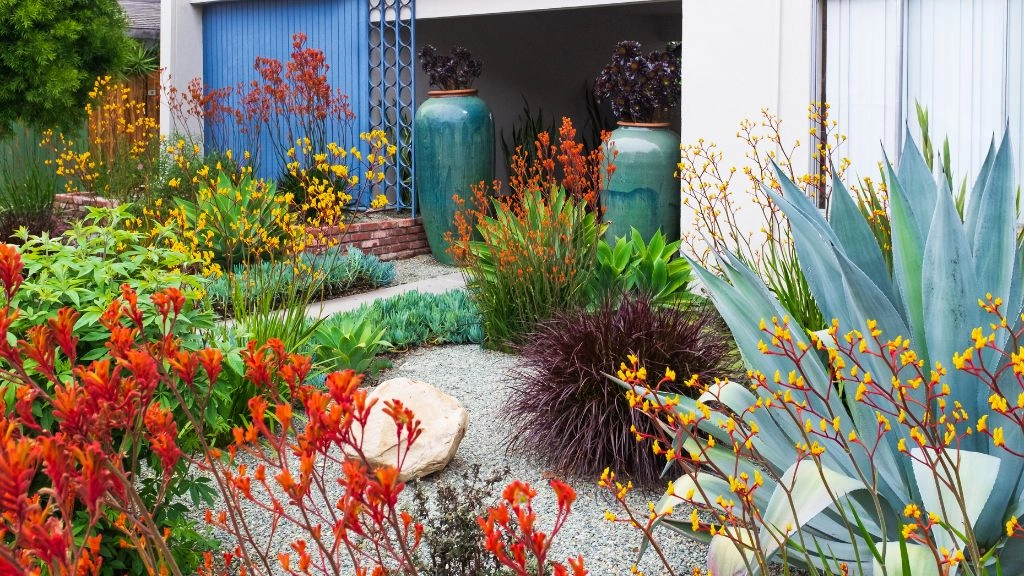

Are you looking to start your own garden but need help knowing where to begin? Have you ever considered organic gardening? It’s a great way to create a sustainable and eco-friendly garden that benefits you and the environment. In this beginner’s guide to organic gardening 101, we’ll provide all the information and tips you need to start your green thumb journey. Get ready to grow your fresh produce and beautiful flowers, and enjoy all the benefits of gardening!
What is Organic Gardening?
Organic gardening is about cultivating plants without synthetic fertilizers, pesticides, or genetically modified organisms (GMOs). Rather than fighting against nature, organic gardeners work with it by prioritizing natural and sustainable practices. They focus on nurturing soil health and biodiversity to establish a thriving garden ecosystem.
The key to successful organic gardening is to use organic materials such as compost and manure to enhance soil fertility. These substances provide essential nutrients to plants and improve soil structure, leading to a well-balanced and healthy soil ecosystem. By prioritizing soil health, gardeners can boost plant growth and productivity and create a more sustainable and environmentally friendly garden.
Organic Gardening Rules
If you’re interested in growing plants naturally, there are five essential things to remember. These principles have been developed over years of experience and research and are considered the foundation of organic gardening. In this guide, we’ll explain these five principles in simple terms and advise you on what to do and avoid in your gardening practice.
1 – Build and maintain soil health
A healthy soil is essential for growing healthy plants and food. Feeding the soil organically instead of the plant ensures the best results for flowers, fruit, and vegetables. Organic fertilizers work great.
2 – Encourage biodiversity
Organic growers encourage a healthy interdependency between plants and wildlife by using a variety of different species of organic seeds.
3 – Use resources responsibly
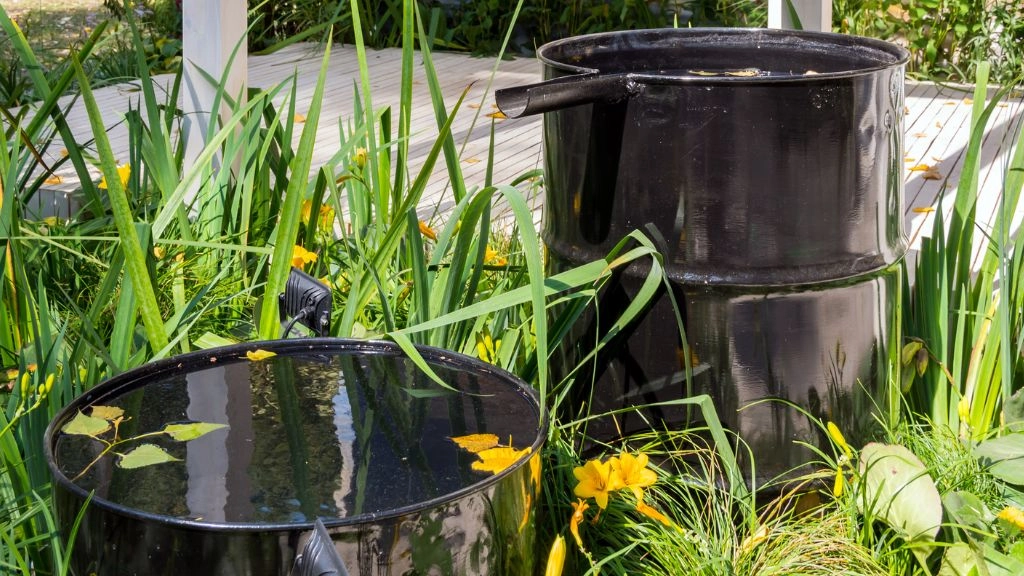
The organic grower practices sustainability, reducing, reusing, and recycling resources while minimizing damage to the planet. Additionally, they utilize rainwater harvesting.
4 – Avoid using harmful chemicals
Toxic chemicals used to eradicate weeds, diseases, and pests can harm your growing environment and all the organisms within. Companion planting and crop rotation can be used as alternatives.
5 – Maintain a healthy growing area
Keeping your growing area in good health, rather than just pest and disease-free, is at the heart of organic growing.
Demystifying Organic vs. Conventional Gardening
How we grow plants can be divided into two main types: organic and conventional. Conventional gardening mainly relies on artificial chemicals, machines, and technology to make plants grow faster and more significant. On the other hand, organic gardening focuses on creating healthy soil using natural materials and methods and encouraging helpful insects and animals. Organic gardening is better for the environment because it helps maintain a balanced ecosystem in the soil and doesn’t add harmful chemicals to the environment. While conventional gardening may seem more productive in the short term, organic gardening is better for the planet in the long run.
Planning Your Garden
When designing your garden, it’s crucial to consider your area’s specific climate and growing conditions so that you can select seeds that will thrive. It’s a good idea to examine the soil type in your garden and choose organic varieties of seeds to ensure that you get healthy produce free from harmful chemicals. To promote optimal growth, use organic fertilizers that will provide nourishment for your plants without the use of any toxic chemicals. By taking these steps and planning strategically, you can create a thriving garden that is both visually stunning and bountiful.
Choose Seeds
Choosing the right seeds is crucial for a successful organic garden. Look for organic seeds labeled explicitly as free from GMOs and synthetic chemicals. These seeds are produced through environmentally friendly methods and help maintain the integrity of your organic garden.
When selecting seeds, consider the variety of plants you want to grow. Choose a mix of vegetables, herbs, and flowers to maximize biodiversity and attract beneficial insects to your garden. Different plants have different needs, so choose ones that are well-suited to your growing zone and the specific conditions of your garden.
The Role of Soil in Organic Gardening
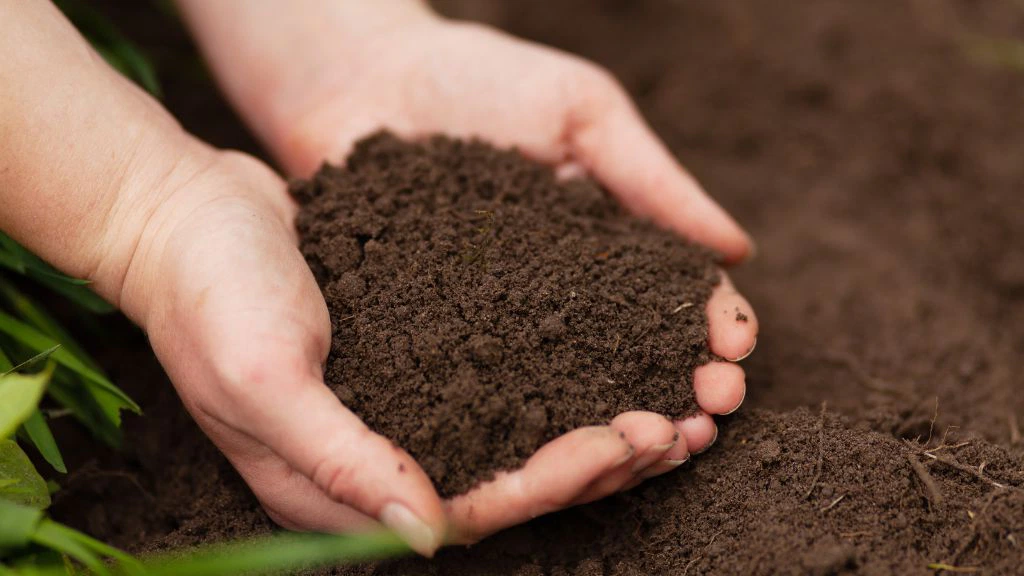
Maintaining healthy soil is the bedrock of organic gardening, as it facilitates the growth of plants by providing vital nutrients, moisture, and support. Therefore, comprehending the significance of soil and taking necessary measures to enhance its health is crucial for the success of organic gardening.
Organic gardeners strive to cultivate healthy soil by incorporating organic matter like compost, manure, and leaf mold. This enriches the soil structure, augments water retention, and boosts nutrient availability. Consistent soil testing can aid in determining the nutrient content and pH level of the soil, enabling you to adjust fertilizer application appropriately.
Organic Fertilizers and Amendments
It’s crucial to use organic fertilizers and amendments to replenish nutrients in the soil and promote healthy plant growth. Organic options include compost, well-rotted manure, bone meal, blood meal, and fish emulsion, which slowly release nutrients and gradually improve soil fertility over time.
Organic gardeners also use soil amendments like lime, greensand, and rock phosphate to adjust pH levels and enhance soil structure. Properly preparing the soil with these organic amendments before planting ensures your plants get the best possible start.
Garden Maintenance
Maintaining a garden requires several essential tasks to ensure its health and vibrancy. A critical task is watering your plants regularly to keep them hydrated. Installing a rainwater harvesting system is a great way to save water and reduce costs. In addition, it is essential to use organic methods to control pests and avoid introducing harmful chemicals into your garden ecosystem. Finally, keeping your garden free of weeds is crucial to prevent them from taking over and choking your plants.
Watering and Irrigation in Organic Gardening
Proper watering is vital to ensure the health and productivity of plants, especially for those who practice organic gardening. Organic gardeners use efficient watering techniques to minimize water waste and conserve water resources. Watering deeply and infrequently is one such technique that promotes profound root growth and reduces the likelihood of water-stressed plants with shallow roots.
A drip irrigation system is an effective and efficient way of watering plants. It delivers water directly to the roots, minimizing evaporation and weed growth. Another sustainable watering option for organic gardens is collecting and using rainwater. This practice can reduce water usage and promote a more eco-friendly approach to gardening.
Controlling Pests Organically
Organic gardening employs natural methods to control pests instead of synthetic pesticides. One practical way to achieve this is by attracting beneficial insects that prey on garden pests. This can be done by planting companion plants that lure beneficial insects or providing habitats like insect hotels. Physical barriers like row covers and netting can also protect plants from pests. Furthermore, good garden hygiene practices that remove diseased plants and weeds reduce the risk of pest and disease issues.
Tackling Weeds
Weeds can threaten your plants’ growth as they compete with them for vital nutrients, water, and sunlight. To prevent this from happening, organic gardeners rely on various methods that do not involve synthetic herbicides.
One of the most common ways to control weed growth is mulching. This technique covers the soil with organic mulch like wood chips, leaves, or straw. This effectively suppresses weed growth by blocking sunlight and preventing weed seeds from germinating. Alternatively, you can manually remove weeds by hand weeding or hoeing, which are equally effective ways to eliminate weeds.
Harvesting and Post-Harvest Management
Harvesting is a crucial phase in agricultural production that necessitates precise timing and techniques. Farmers must closely monitor the maturity of crops to determine the ideal time for harvesting. Different crops require specific harvesting methods, such as handpicking for fruits or mechanical harvesting for grains. After harvesting the crops, it is essential to focus on post-harvest management to maintain their quality and extend their shelf life. This includes appropriate cleaning, sorting, packaging, and storage techniques to prevent spoilage and ensure the crops remain fresh for consumption.
Timing and Techniques for Harvesting
Knowing when and how to harvest your crops ensures peak flavor and nutritional value. Different types of plants require other harvesting methods, so it’s crucial to familiarize yourself with the specific needs of the crops you’re growing.
Harvesting techniques vary depending on the plant. Some crops, like leafy greens, can be harvested by removing outer leaves. In contrast, others, like tomatoes, are picked only when fully ripe. Proper harvesting techniques help minimize plant damage and ensure the highest possible quality of produce.
Storing Your Organic Produce
Managing your harvested organic produce properly is essential to prolong its shelf life. It would be best to handle the crops carefully to prevent any damage or bruising. Depending on the type of crop, you may need to store it in a cool, dark place at room temperature, or you may need to refrigerate it. By following the correct storage practices, you can maintain your organic produce’s flavor, texture, and nutritional value for an extended period.
Organic Gardening Tools
Various tools can help simplify and make your organic gardening tasks more straightforward and efficient. Some essential tools you should have in your organic garden include a digging fork, hand trowel, pruners, garden rake, and a watering can or hose. These tools are handy when preparing the soil, planting, pruning, and watering plants.
In addition, it’s crucial to have a compost bin or compost tumbler in your garden to recycle organic waste into nutrient-rich compost that can be utilized to enhance soil fertility. A wheelbarrow or garden cart can also be handy for efficiently transporting materials like compost, mulch, or plants around your garden.
Conclusion
Organic gardening is a sustainable and rewarding practice that allows you to grow nutritious and flavorful produce while minimizing environmental harm. Following organic gardening principles and utilizing organic methods can create a thriving garden that supports biodiversity and promotes healthy plants.
FAQs
How do I convert my conventional garden into an organic one?
To convert a conventional garden into an organic one, start by ceasing the use of synthetic fertilizers, pesticides, and genetically modified seeds. Instead, focus on building healthy soil using organic matter, like compost and manure. Implement organic pest control methods and use organic seeds and plants to maintain the integrity of your organic garden.
What are the most effective organic fertilizers?
There are several effective organic fertilizers available for organic gardening. Organic options include compost, well-rotted manure, bone meal, blood meal, and fish emulsion. These natural fertilizers provide a slow release of nutrients and improve soil fertility over time.
How can I control pests without using chemicals?
Pest control in organic gardening relies on natural methods rather than synthetic pesticides. You can attract beneficial insects that prey on garden pests by planting companion plants that attract them. Additionally, physical barriers like row covers and netting can be used to protect plants from pests.
Can organic gardening really improve my health?
Organic gardening promotes using natural and organic methods, which reduce exposure to harmful synthetic chemicals. By avoiding synthetic pesticides and fertilizers, organic gardening can help minimize potential health risks associated with conventional gardening practices.
How much time does it take to see results in an organic garden?
The time it takes to see results in an organic garden can vary depending on several factors, including the type of plants you are growing and the condition of your soil. Generally, with proper care and maintenance, you can start seeing noticeable results within a few weeks to a few months.